Culinary excellence is no longer a stretch goal for school meal programs. Even elementary and middle school students expect meals that are flavorful, appealing, and culturally relevant, while school nutrition teams must meet nutrition standards, manage tight budgets, and serve at large scale.
According to the School Nutrition Association’s 2025–26 School Nutrition Trends Report, rising food, labor, equipment, and administration costs remain top concerns. Nearly 95 percent of school nutrition directors are worried about financial sustainability over the next three years.
Regardless, districts continue to elevate school meals through scratch cooking, culturally relevant options, and local sourcing. In fact, 73 percent plan to increase local offerings despite hurdles like cost, seasonality, and limited supply. Domestically grown crops like peanuts support districts that prioritize local sourcing and sustainability because they are zero-waste crops known for efficient water and soil use.
Some districts have expanded their menus through updated allergen management practices. With clear protocols, training, and communication, they can offer a wider variety of foods, including previously avoided options. As a result, they report increased participation and cost effectiveness.
The combination of financial pressure and menu ambition requires operators to think strategically about ingredients. The most valuable items are those that students enjoy, deliver nutrition, and can appear across multiple menu applications. Nutrient-dense foods are especially useful because they help meet meal pattern requirements while supporting satiety and menu flexibility.
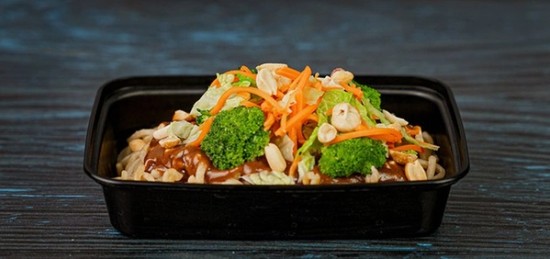
Peanuts illustrate how one ingredient meets these needs. They are shelf-stable, require minimal storage space, and work in both scratch and speed-scratch recipes. From breakfast parfaits to globally inspired sauces and grain bowls, peanuts and peanut butter can serve as a meat alternate, adding flavor and protein without significantly increasing food cost. Their long shelf life can also help reduce waste.
The SNA report also notes that districts expanding scratch cooking often need more training time, recipe development, and equipment, making ingredients that are familiar and versatile especially valuable. Peanuts and peanut butter can be used as a sandwich or wrap spread, a base for sauces, or an ingredient in baked goods, allowing districts to use one product across multiple recipes.
The data reinforces a clear takeaway. Lasting success depends on balancing student appeal, nutrition goals, and operational efficiency. Versatile ingredients, like peanuts, support all three and help school nutrition teams deliver culinary excellence.