Every five years, the U.S. Department of Agriculture (USDA) and Health and Human Services (HHS) jointly release the updated Dietary Guidelines for Americans. These recommendations provide guidance on what to eat and drink to meet nutrient needs, promote health, and prevent chronic disease.
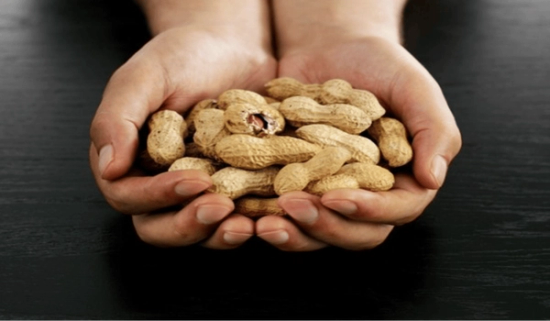
Following the release of the 2025-2030 edition in early January, consumers may have questions about what to eat. One thing is for certain, the 2025-2030 guidelines, much like the ones that came before them, continue to recognize peanuts and peanut butter as nutritious foods to be included in a healthy diet.
Here are the key takeaways highlighting the important role that peanuts play in a healthy diet:
Protein takes priority: The guidelines emphasize consuming a variety of protein foods from both animal and plant-based sources. This inclusive approach recognizes that Americans can meet their protein needs from diverse sources, and with 7 grams of protein per 1 oz. serving, peanuts and peanut butter serve as convenient, affordable, and nutritious options.
Prioritize Nutrient-Dense Options: The 2025-2030 guidelines recommend prioritizing nutrient-dense food options. Peanuts and peanut butter are minimally processed, whole foods and a nutrient-dense food source. According to the FDA, for peanut butter to be labeled as peanut butter it must contain at least 90% peanuts. If the product contains less than 90% peanuts, it must be labeled as a peanut spread.
Healthy fats get recognition: The Dietary Guidelines recommend consuming healthy fats from sources including nuts. One serving of dry-roasted peanuts (30 grams) contains 12 grams of unsaturated fat, only two grams of saturated fat and no trans-fat.
Early introduction remains important: Evidence proves that introducing infant-safe peanut foods between 4-6 months of age can help prevent up to 86% of peanut allergies from developing. It's important to continue keeping infant-safe peanut foods in the diet often after introduction. These guidelines continue to be recommended by the Dietary Guidelines for Americans and the American Academy of Pediatrics.
You can read the 2025-2030 Dietary Guidelines for Americans here.